Light Pole production line
Description
How a Light Pole Production Line Works
From Steel Coil to Finished Light Pole
Unlike standard machines, a light pole production line is a system, where productivity, consistency, and cost
are determined by how well each process step is integrated.This article explains how a typical light pole production line works, what decisions matter most,
and where many buyers make avoidable mistakes.
1. Application Background: Why Light Pole Production Is a “System Project”
Light poles are not produced as single components. They are long, tapered or straight tubular products that require:
- Structural strength
- Good straightness
- Consistent welding quality
- High surface finish
Most buyers are project-driven rather than volume-driven, which means:
- Different pole lengths and thicknesses
- Variable output requirements
- Tight delivery schedules
Because of this, choosing isolated machines instead of a complete line often leads to inefficiency and rework.
2. Typical Process Flow of a Light Pole Production Line
A standard light pole production line usually includes the following steps:
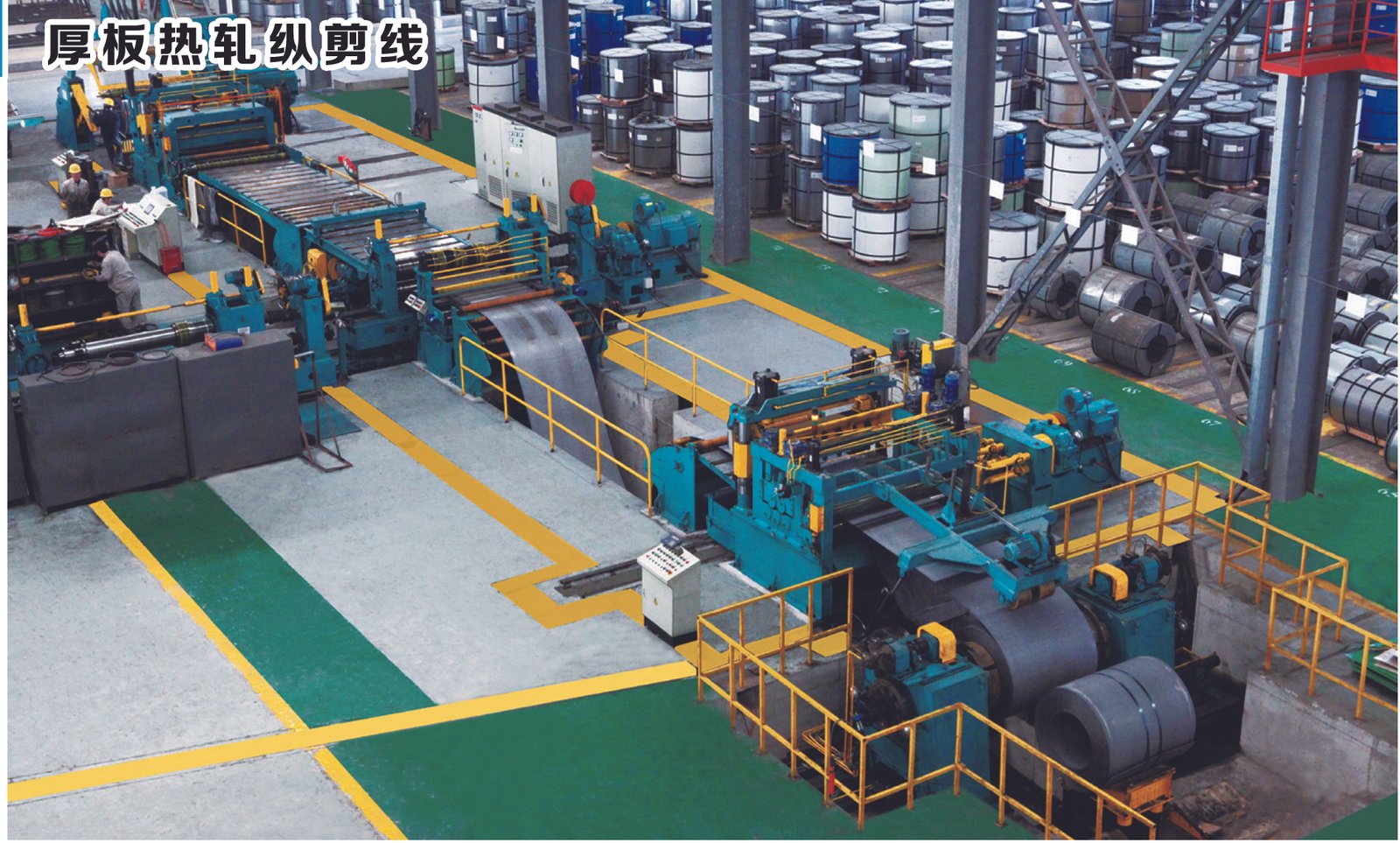
Step 1: Decoiling and Leveling
Steel coils are uncoiled and leveled to remove internal stress and ensure flatness before cutting.
Key consideration:
- Coil thickness range
- Material strength
- Leveling precision (critical for welding quality later)
Step 2: Cutting to Length
The leveled sheet is cut to the required blank size based on pole length and taper design.
Important factors:
- Cutting accuracy
- Production rhythm
- Scrap control
Step 3: Forming (Bending or Rolling)
The flat sheet is formed into a round or polygonal shape using:
- Press brake forming (multi-step bending), or
- Plate rolling machines (for round poles)
Choice depends on:
- Pole geometry
- Thickness
- Output volume
Step 4: Longitudinal Welding
The formed pole is welded along the longitudinal seam, usually with:
- Automatic seam welding systems
- Submerged arc welding (SAW) or MIG systems
This step directly determines:
- Structural integrity
- Appearance quality
- Long-term durability
Step 5: Straightening and Polishing
After welding, the pole is straightened and surface-treated to:
- Improve straightness
- Remove welding marks
- Prepare for galvanizing or painting
3. Key Decision Points That Really Matter
Many buyers focus only on machine price. In reality, these factors matter much more:
Output Requirement
Daily or annual output determines:
- Manual vs. automatic welding
- Single-station vs. continuous line design
Material Thickness and Grade
Higher thickness and strength require:
- Stronger forming machines
- More stable welding systems
Labor Cost and Skill Level
In regions with high labor cost, higher automation is usually more economical long-term.
Available Space and Power Conditions
Layout constraints often affect:
- Line configuration
- Investment efficiency
4. Common Mistakes in Light Pole Line Selection
From real projects, the most frequent issues are:
- Selecting machines independently instead of as a system
- Over-investing in automation without matching output demand
- Underestimating welding quality requirements
- Ignoring logistics flow between stations
These mistakes often lead to:
- Bottlenecks
- Inconsistent quality
- Higher long-term operating cost
5. Different Line Configurations for Different Budgets
A light pole production line does not have one fixed configuration.
Typical options include:
- Economic Configuration: Manual or semi-automatic welding, suitable for small batches
- Standard Configuration: Balanced automation, stable quality, flexible output
- High-Automation Configuration: Designed for large-scale municipal or EPC projects
The right choice depends on project type, not on maximum specifications.
6. Final Thoughts: Think in Lines, Not Machines
A light pole project succeeds when:
- The process flow is smooth
- Machines match each other
- Risks are controlled from the beginning
Rather than asking “Which machine is cheaper?”, a better question is:
“Which production line fits my real project conditions?”
Below is one customer from russian buy:
Series 2 WC67Y Hydraulic Press Brake
2-WC67Y – Dual-machine hydraulic sheet metal bending solution
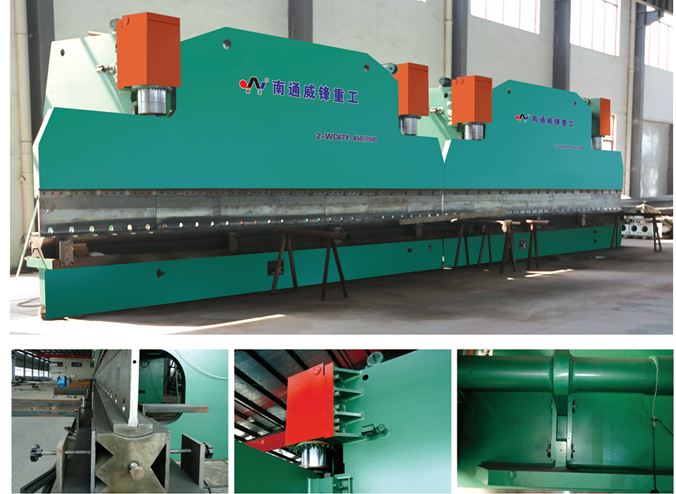
Technical Specifications
| Specification Model | 2-200/6000 | 2-300/6000 | 2-300/7000 | 2-400/7000 | 2-500/7000 | 2-600/7000 | 2-800/7000 | 2-1000/7000 | 2-1200/7000 | 2-1600/7000 |
|---|---|---|---|---|---|---|---|---|---|---|
| Nominal Pressure (KN) | 2×2000 | 2×3000 | 2×3000 | 2×4000 | 2×5000 | 2×6000 | 2×8000 | 2×10000 | 2×120000 | 2×160000 |
| Length of Table (mm) | 2×6000 | 2×6000 | 2×7000 | 2×7000 | 2×7000 | 2×7000 | 2×7000 | 2×7000 | 2×7000 | 2×7000 |
| Throat Depth (mm) | 400 | 650 | 650 | 750 | 800 | 1000 | 1100 | 1100 | 1100 | 1500 |
| Slide Stroke (mm) | 200 | 250 | 250 | 250 | 320 | 300 | 400 | 400 | 400 | 450 |
| Max Opening Height (mm) | 560 | 770 | 770 | 810 | 810 | 1000 | 1100 | 1100 | 1100 | 1400 |
| Motor Power (KW) | 2×15 | 2×22 | 2×22 | 2×22 | 2×30 | 2×30 | 4×22 | 4×30 | 4×30 | 4×55 |
| External Dimensions L×W×H (mm) | 6000×2050×3200 | 6000×2450×4380 | 7000×2580×4800 | 7000×2675×4900 | 7000×2700×5000 | 7000×2930×6280 | 7000×3000×7500 | 7000×3100×7500 | 7000×3300×7600 | 7000×3700×8100 |
| Machine Weight (kg) | 2×20000 | 2×35000 | 2×40000 | 2×50000 | 2×60000 | 2×65000 | 2×80000 | 2×100000 | 2×130000 | 2×230000 |
Note: The data provided in this document is for reference only. If there is any discrepancy between this information and the actual machine parameters, the actual parameters of the machine tool shall prevail. The company reserves the final right of interpretation.
ZDMJ Series Lamp Pole Grinding Machine
A specialized equipment designed for efficient and high-quality processing of lamp poles, integrating practical performance and flexible adaptability
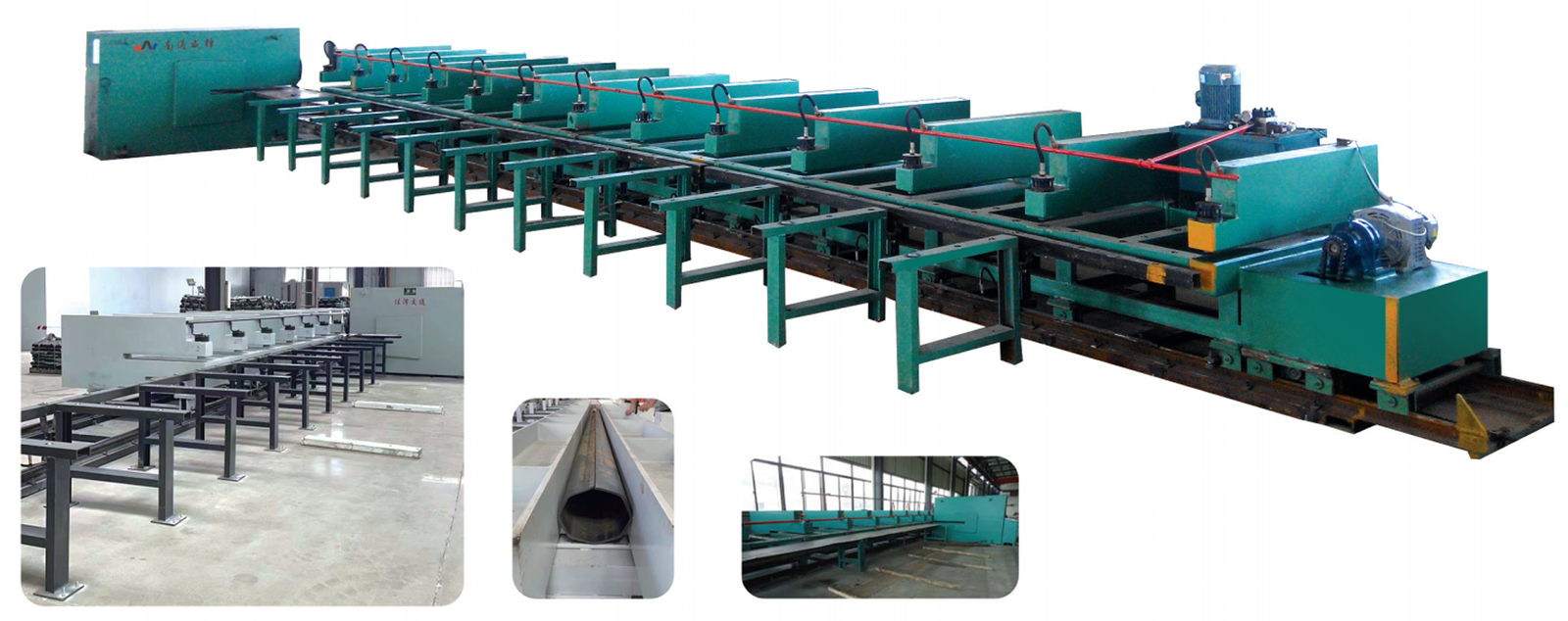
🔧 Performance Features
- ✓ Convenient and fast polishing of lamp poles, capable of polishing various lamp bodies
- ✓ Automatic recycling system, environmentally friendly with zinc powder recovery
- ✓ Sand belt grinding with low cost, high speed and labor saving; high finish after polishing with adjustable speed
- ✓ Dual-head sand belt grinding option for higher efficiency
- ✓ Dual-head thousand-page wheel polishing option for stainless steel pipes and flagpoles
🧪 Specification Models
We offer three specification models to meet different production needs:
| Parameter | ZDMJ350×12000 | ZDMJ500×14000 | ZDMJ500×14000 (Thousand-page Wheel) |
|---|---|---|---|
| Pole Length | 12,000 mm (extendable) | 14,000 mm (extendable) | 14,000 mm (extendable) |
| Pole Diameter | Φ60 – Φ350 mm | Φ80 – Φ500 mm | Φ80 – Φ500 mm |
| Polishing Speed | 300 – 1000 mm/min | ||
| Net Weight | 1,500 kg | 2,000 kg | 2,400 kg |
| External Dimensions | 14,500×2,200×1,600 mm | 16,500×2,200×1,600 mm | 16,500×2,400×1,600 mm |
Note: The above data is for reference only. If it does not match the actual parameters of the machine tool, the actual parameters shall prevail. The company reserves the final right of interpretation.
ZQ11 Series Bevel Shearing Production Line
The first domestic innovation in steel plate bevel shearing technology
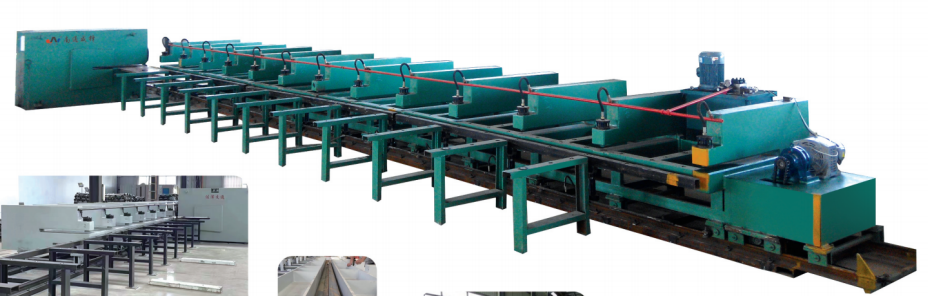
🔧 Performance Features
- ✓ The ZQ11 series steel plate bevel shearing production line is a domestic innovation, featuring roller-type operation with no noise and automatic working
- ✓ Capable of shearing 1-12mm steel plates vertically, with length customizable according to user requirements
- ✓ Offers precise blanking dimensions, high speed, smooth cutting edges, no deformation, and trapezoidal plate shearing without overlapping
- ✓ Energy-saving with no consumables required, making it highly efficient and cost-effective
- ✓ Particularly suitable for street light manufacturers and shearing of longer plates
📊 Technical Specifications
| Model | Max. Shearing Length (mm) | Shearing Thickness (mm) | Shearing Width (mm) | Shearing Angle (°) | Main Motor Power (kW) | Auxiliary Motor Power (kW) | Overall Dimensions (L×W×H, mm) | Weight (kg) |
|---|---|---|---|---|---|---|---|---|
| ZQ11-6×2400×14000 | 14,000 | 3-6 | 2400 | 25 | 23 | 4 | 33000×3600×1600 | 18,000 |
| ZQ11-8×2400×14000 | 14,000 | 3-8 | 2400 | 25 | 23 | 4 | 33000×3600×1600 | 18,000 |
| ZQ11-12×2400×14000 | 14,000 | 3-12 | 2400 | 25 | 25 | 11 | 33000×5400×2000 | 31,000 |
| ZQ11-16×2400×14000 | 14,000 | 4-16 | 2400 | 25 | 25 | 11 | 33000×5400×2600 | 36,000 |
Note: The data provided in this document is for reference only. If there is any discrepancy between this information and the actual machine parameters, the actual parameters shall prevail. The company reserves the final right of interpretation.
HFH Automatic Seam Welding Production Line
Advanced submerged arc welding technology for lighting poles
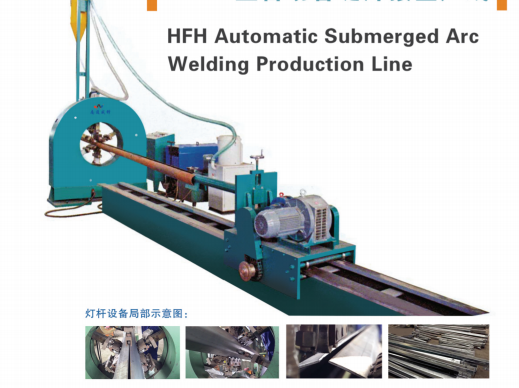
Performance Features
- ✓ The HFH automatic seam welding production line is a new product developed in recent years, completing the seam welding of lighting poles in one operation
- ✓ Utilizes submerged arc welding technology, a domestic first, with fast welding speed (2.5m/min), no pollution, and no light emission
- ✓ Features smooth surfaces, high weld penetration rate, simple operation, and lower price than gas welders
- ✓ The preferred product for lighting pole manufacturers with high efficiency and cost-effectiveness
Technical Specifications
| Model | Welding Length (m) | Welding Thickness (mm) | Welding Diameter (mm) | Welding Speed (m/min) | Power Voltage (V) |
|---|---|---|---|---|---|
| HFH-1000 | 6-12 | 3-8 | Φ50-Φ1000 | 0.5-2.5 | 380 |
| HFH-1200 | 6-15 | 3-10 | Φ50-Φ1200 | 0.5-2.5 | 380 |
| HFH-1500 | 6-18 | 3-12 | Φ50-Φ1500 | 0.5-2.5 | 380 |
Note: The data provided in this document is for reference only. If there is any discrepancy between this information and the actual machine parameters, the actual parameters of the machine tool shall prevail. The company reserves the final right of interpretation.
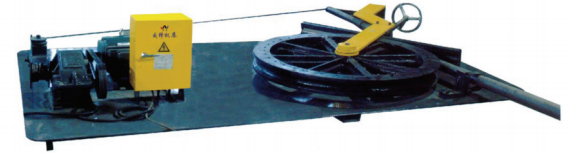
WG Mechanical Gradually Tube Bending Machine
Specialized bending solution for lighting pole manufacturers
div class=”equipment-section”>
Performance Features
Performance Features
- ✓ The WG series mechanical gradual tube bending machine is specially designed and manufactured for lighting pole enterprises, representing a domestic innovation
- ✓ This machine is suitable for bending the heads of various tapered lighting poles, with no deformation at the bending area
- ✓ Maintains the original shape of conical poles and polygonal poles
- ✓ Extremely simple operation with exceptionally low price
Technical Specifications
| Model | Bending Diameter (mm) | Bending Radius (mm) | Steel Tube Wall Thickness (mm) | Motor Power (kW) | Dimensions (mm) | Machine Weight (kg) |
|---|---|---|---|---|---|---|
| WG90-4 | Φ90 | R500, R700 | 4 | 3 | 3000×2300×620 | 2300 |
| WG100-4 | Φ100 | R1200, R1500 | 4 | 3 | 4000×3000×620 | 4200 |
Note: The data provided in this document is for reference only. If there is any discrepancy between this information and the actual machine parameters, the actual parameters of the machine tool shall prevail. The company reserves the final right of interpretation.
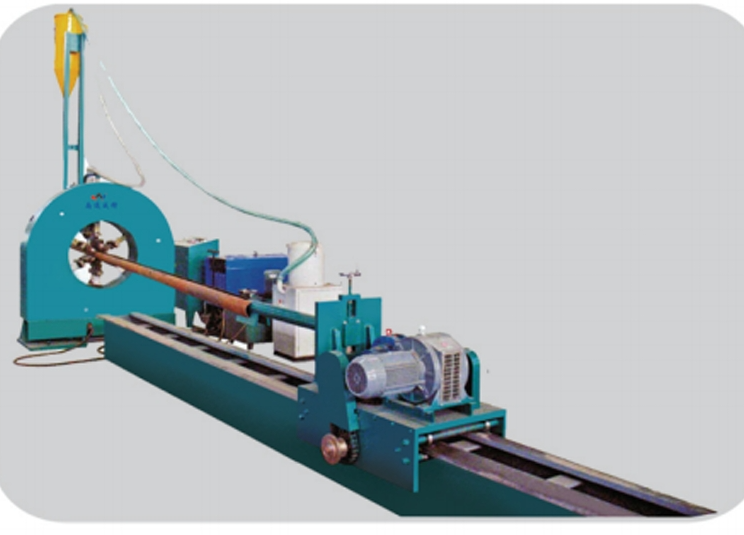
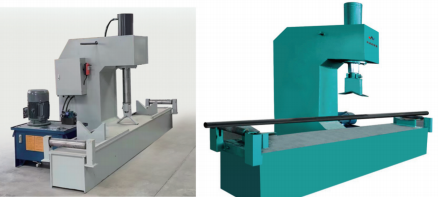
W31Y Pipe Straightened Machine
W31Y – Hydraulic pipe straightening solution for various pole types
Performance Features
- ✓ The W31Y pipe straightened machine uses hydraulic drive and is widely suitable for straightening various steel pipes, street light poles, constant-diameter poles, tapered poles, and power poles
- ✓ No limitation on straightening length, maximum diameter up to 1000mm. Especially suitable for lighting pole manufacturers, with very convenient operation, high efficiency, and safety
Technical Specifications
| Model | Straightening Length | Max Diameter (mm) | Wall Thickness (mm) | Motor Power (kW) | Dimensions L×W×H (mm) | Weight (kg) |
|---|---|---|---|---|---|---|
| W31Y-260-6 | Unlimited | Φ260 | 6 | 5.5 | 3600×1000×1800 | 1800 |
| W31Y-350-6 | Unlimited | Φ350 | 6 | 5.5 | 3600×1180×1950 | 2100 |
| W31Y-500-8 | Unlimited | Φ500 | 8 | 11 | 4180×1280×2250 | 2500 |
| W31Y-600-10 | Unlimited | Φ600 | 10 | 11 | 4180×1280×2350 | 2800 |
| W31Y-700-10 | Unlimited | Φ700 | 10 | 11 | 4180×1350×2450 | 3000 |
| W31Y-800-10 | Unlimited | Φ800 | 10 | 11 | 4180×1350×2250 | 3100 |
| W31Y-1000-12 | Unlimited | Φ1000 | 12 | 11 | 6180×2200×3210 | 7800 |
Note: The data provided in this document is for reference only. If there is any discrepancy between this information and the actual machine parameters, the actual parameters of the machine tool shall prevail. The company reserves the final right of interpretation.
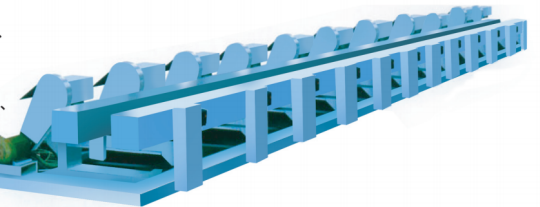
HF Automatic Joint Machine
Efficient seam joining solution for lighting pole manufacturing
Performance Features
- ✓ The joint machine can join various tapered lamp poles, street light poles, and equal-diameter poles with diameters up to 600mm
- ✓ No length limitations, suitable for poles of any length
- ✓ Features fast joining speed (can be operated by multiple persons)
- ✓ Minimal deformation during the joining process
- ✓ Energy-efficient operation with low power consumption
- ✓ Can also be used for pole shaping and straightening
- ✓ Competitively priced for excellent value
Note: The company reserves the right to modify specifications without prior notice. All information provided is for reference purposes only.
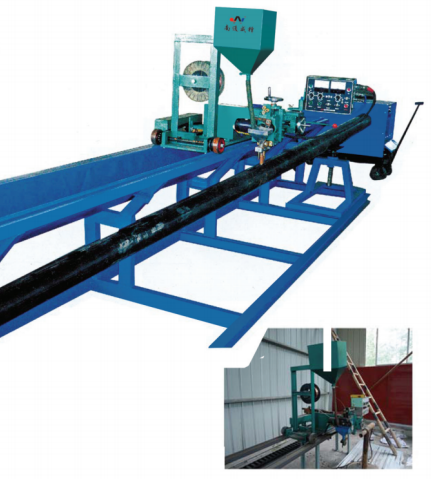
MZ Semi-Automatic Welding Production Line
Efficient submerged arc welding solution for various pole types
Performance Features
🔧 Performance Features
-
- ✓ The MZ series semi-automatic welding production line is widely suitable for welding various steel pipes, round poles, tapered poles, polygonal poles, street light poles, and other seamed plates
- ✓ Utilizes submerged arc welding technology for smooth surfaces, no pollution, and no light emission
- ✓ No limitations on welding length with a welding speed of 2-3 m/min
- ✓ Features high welding speed, low investment cost, welding wire savings, exceptionally low price, and simple operation
Technical Specifications
| Model | Welding Length (m) | Welding Thickness (mm) | Welding Diameter (mm) | Welding Current (A) | Welding Speed (m/min) | Dimensions L×W×H (mm) | Weight (kg) |
|---|---|---|---|---|---|---|---|
| MZ630SS-14000/700 | 14 | 3-12 | Φ50-Φ700 | 630 | 1-3 | 18000×1200×1500 | 2000 |
| MZ630SS-14000/1000 | 14 | 3-12 | Φ50-Φ1000 | 630 | 1-3 | 18000×1200×1500 | 2000 |
Note: The data provided in this document is for reference only. If there is any discrepancy between this information and the actual machine parameters, the actual parameters of the machine tool shall prevail. The company reserves the final right of interpretation.